Lake Biakal Information
Lake Baikal is located in Russia in Eastern Siberia, close to the border with Mongolia. Its uniqueness is obvious. Lake Baikal, as the deepest and most ancient of the planet’s lakes, amazes and enchants. The plants and animals of the lake are 80% endemic, which means they cannot be found anywhere else on the planet. The symbol of Baikal is, without doubt, its freshwater seal, the nerpa. Tourists are also attracted by its striking nature and landscapes. It is said that a lake, just like a person, has a character: at times Baikal is absolutely calm and quiet, at others – stormy and furious. It is a whole world that is at each point inimitable and beautiful in its own way.
Some facts about baikal
Depth: max. 1642 metres
Average depth: 744.4 m (2,442 ft)
Width: between 27 and 80 km
Length: 636 km (395 mi)
Holidays at Lake Baikal
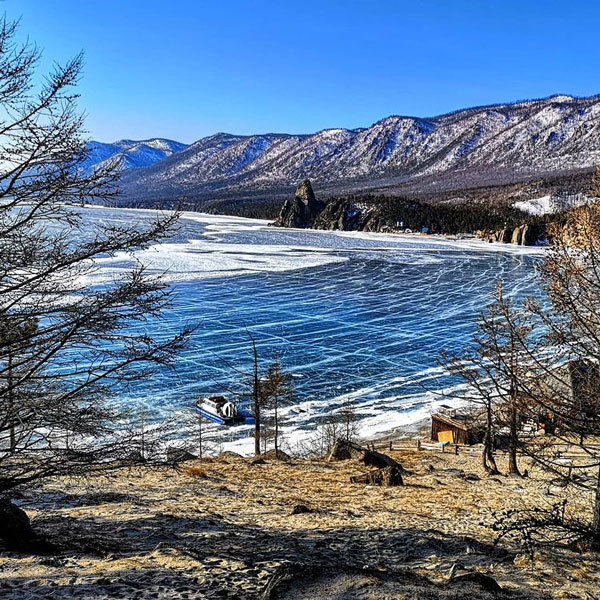
The water in Lake Baikal is cold even in summer, so relaxing on the beach is not popular here. Tourists come here for the enchanting landscape and the exuberant nature. It is said that Lake Baikal has the character of a human being, sometimes calm and balanced, sometimes stormy and wild. To really get to know the lake, you should visit it at least twice: In summer, when it shows its mild side and nature is in full bloom; and in winter, when it lies frozen under a metre-thick layer of ice, but you can still feel its power every time you walk across it.
Reasons to travel to Lake Baikal
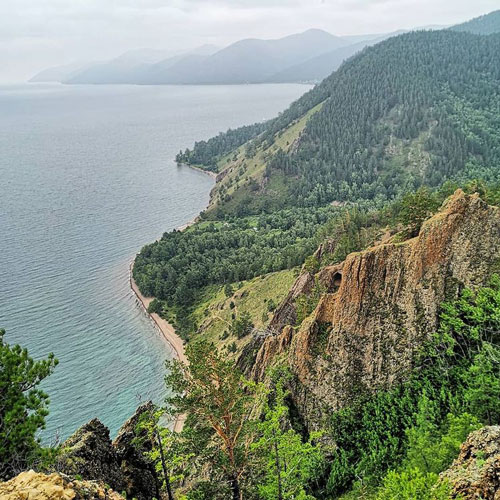
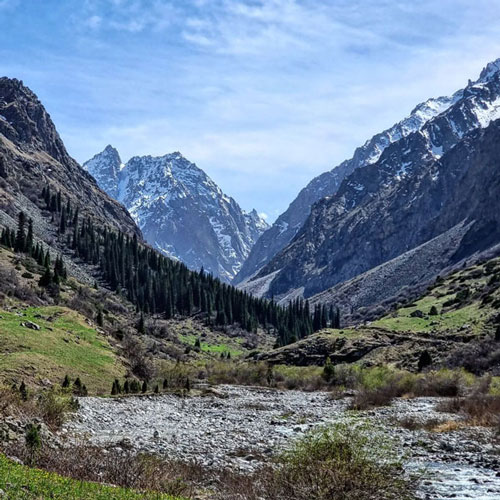
- The nature. Lake Baikal is a deep lake with unique wildlife. If you're lucky, you might spot a freshwater seal, for example. But the landscapes around the lake are also breathtaking! The entire lake is surrounded by mountains from 1000 to 2.5 thousand meters, between which there are picturesque valleys. There are many beautiful cliffs, beaches and islands along the coast.
- The culture of the locals. At Lake Baikal you will learn about the traditions of the Siberian natives of the Mongolian-speaking Buryat people. You will also get to know the traditions of Russian farmers who still live in villages and carry out traditional activities - cattle breeding and farming as well as picking mushrooms and berries in the forest.
- Adventure. Especially in winter, you can go dog sledding, cross half the lake on ice in a hovercraft and explore the ice caves.
The best time to visit Lake Baikal
Lake Baikal in summer
The weather in Siberia in summer is warm and sunny. In summer, this region plays with all colors: bright blue water, blue sky, white clouds, hills in all shades of green, copper-colored mountains. The water rarely warms up above 10-15 degrees Celcium, so Lake Baikal is rather chosen for hiking, boat and car trips to interesting places.
For those who want to see the most interesting places in full, we recommend familiarizing yourself with the "Summer on Lake Baikal" tour. For lovers of hiking, the "Baikal Hike" tour is suitable. For lovers of silence and autumn colors, there is also a special autumn Baikal trip.
Lake Baikal in winter
In Siberia you will experience real winter and the crystal clear ice of Lake Baikal. It is clean and freezes in the most incredible shapes: Here you can see ice splashes and huge hills, grandiose cracks, numerous bubbles and many other unusual ice patterns. A frozen, sleeping land that is very impressive. The winter travel season is from February to March and it's not as cold as you might think! In winter, you can ride snowmobiles, dog sleds and hovercrafts on Lake Baikal.
You can visit the most interesting places on Lake Baikal in winter during my tour Winter Adventures on Lake Baikal.
But other months are also suitable for a visit to Lake Baikal. The most important thing is that there are few tourists. In September and October it is still warm during the day and the air is clear. In autumn, the contrast between the blue waters of Lake Baikal and the bright colors of the trees is striking. From November to January, the ice is not strong enough, so many activities on the ice are not possible. But you have the chance to see the first transparent ice in the bays. In April and May spring comes and flowers begin to bloom in Baikal. At this time you can catch the blooming season of Daurian rhododendron.
What you should visit at Lake Baikal
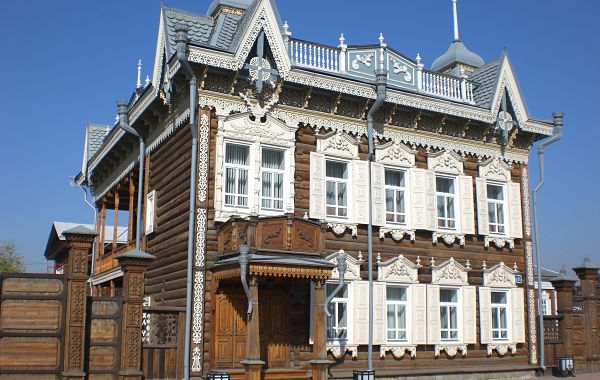
Irkutsk
As the capital of Eastern Siberia, a trip to Lake Baikal usually begins here, as the city is only 65 kilometers from the lake. Wooden houses, merchants' villas and old Orthodox churches have been preserved in Irkutsk.
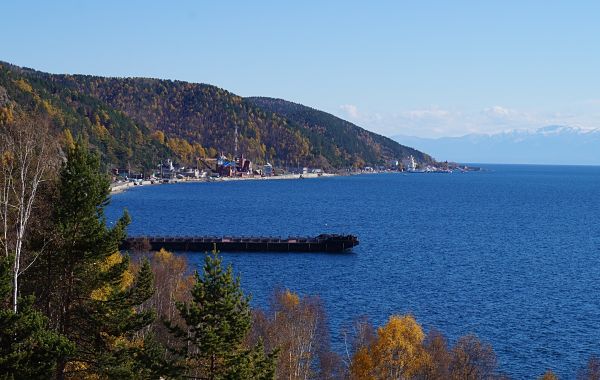
Listvyanka
A popular tourist destination near Irkutsk. Here you can visit the Baikal Museum, take a ride on the cable car and enjoy the view of the lake from above.
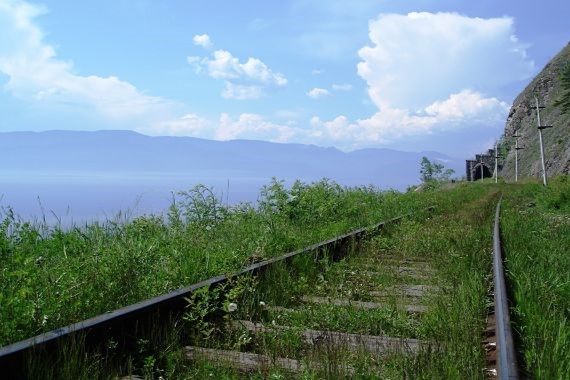
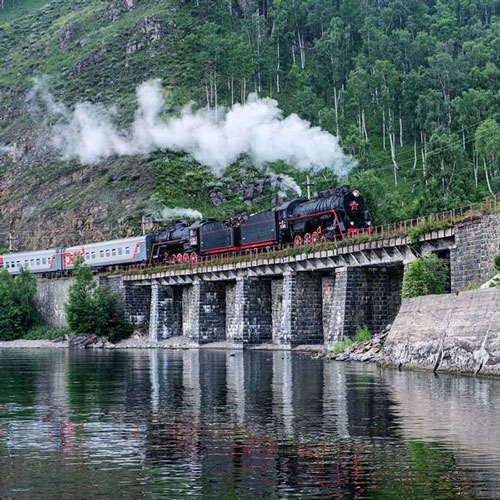
Old Baikal Railway
A historic railroad line that runs along the western shore of Lake Baikal. It is famous for its architectural landmarks such as tunnels and bridges.
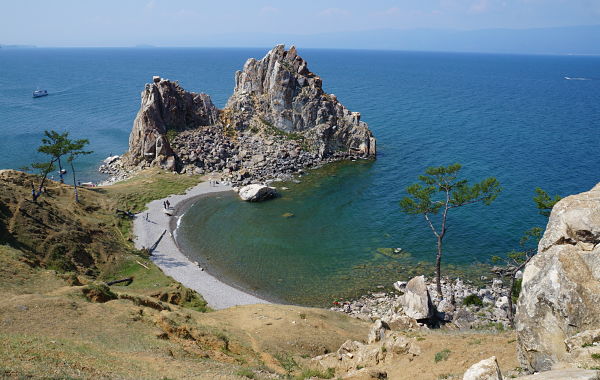
Olkhon Island
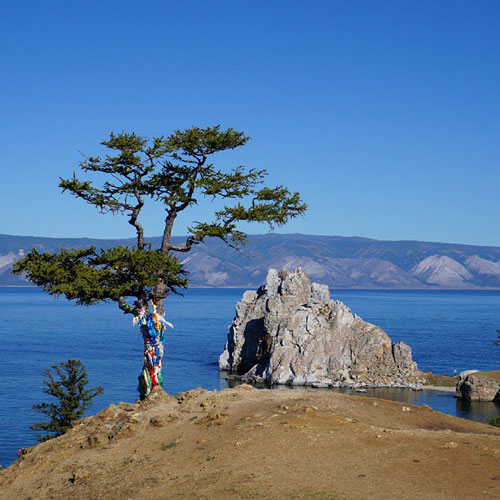
The largest and only inhabited island on Lake Baikal, known for its breathtaking scenery, shamanic sites and rich history.
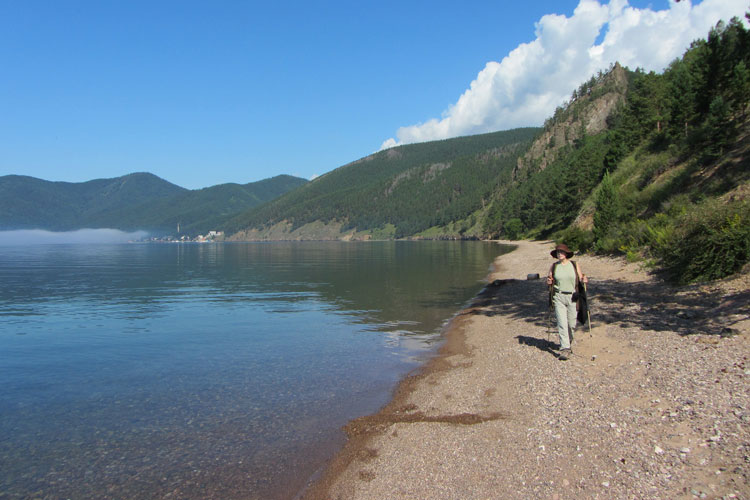
Bolshie Koty Village
A picturesque village on the shores of Lake Baikal, where you can explore trails through the scenic surroundings.
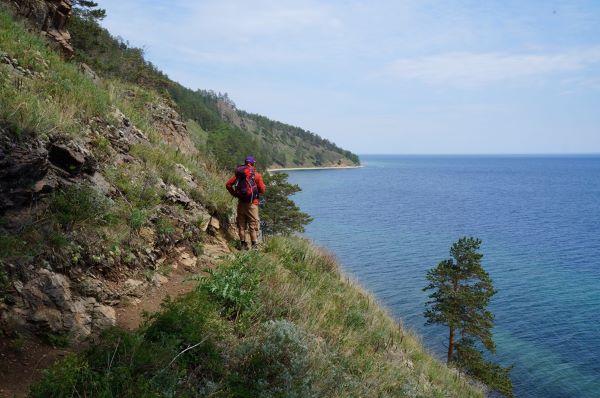
Great Baikal Trail
The section of the trail that runs along the shore was built by volunteers from all over the world.
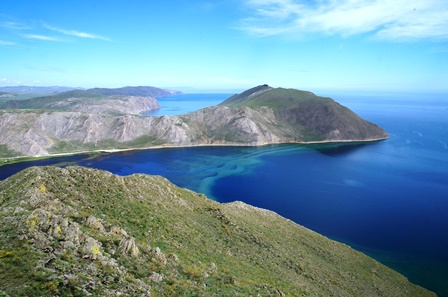
Tazeran steppes
Unique steppes where you can see rock paintings, salt lakes, unusual rock formations and of course stunning views of Baikal.
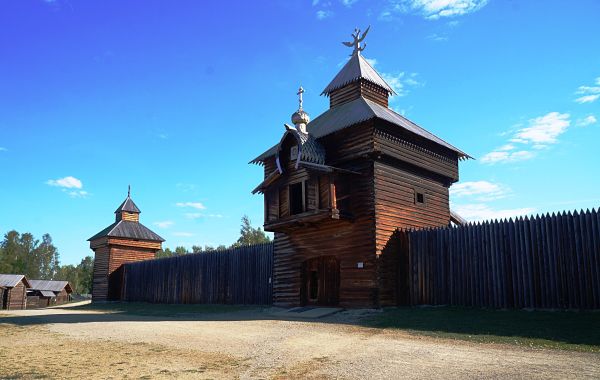
Talci open-air museum
A collection of original wooden buildings from around the region, Siberian houses, peasant huts, including a Cossack fortress and an old wooden church from 1779.
What to do at Lake Baikal
- Learn more about the traditions of shamanism and visit shamanic sites.
- Try the local cuisine, Baikal omul fish, local Buryat or Siberian specialties.
- Take a boat trip.
- Take a train ride along Lake Baikal on the famous old Baikal Road.
- Visit Lake Baikal in winter and hike on the ice, ride dogs, snowmobiles or hovercrafts.
How do I get to Lake Baikal?
Irkutsk is the closest major city to Lake Baikal from where you can easily start your journey. Irkutsk has a big international airport and a railroad station. You can fly to Irkutsk from Moscow or St. Petersburg, and there are also direct flights from Bishkek, Bangkok, Ulaanbaatar or Beijing. One option is to take the famous Trans-Siberian Railway from Moscow to Irkutsk, but this route will take about 3.5 days.
From Irkutsk to the nearest village on Lake Baikal, Listvyanka, is 65 km or one hour by car. The journey to other places by car, bus or train takes longer, for example to Olkhon Island about 5-6 hours.
If you have any questions or would like to come to Lake Baikal, I can help you put together your own individual tour at any time of year. guide.baikal@gmail.com